 Domains SearchSearch available domain names and claim yours in just a few clicks.
 .GH DomainsFind and register a trusted .gh domain for your business or idea.
 Web HostingAffordable web hosting solutions designed for performance, uptime, and scalability.
 cPanel HostingManage your website without the stress. cPanel hosting gives you everything in one place.
 Reseller HostingCreate, manage, and grow your hosting clients using reliable reseller hosting tools.
 Windows HostingWindows hosting that works smoothly with Microsoft frameworks and applications.
 Email HostingProfessional email hosting that keeps your business communication reliable and secure.
 WordPress HostingFast and secure WordPress hosting optimized for smooth performance and easy management.
 Affiliate ProgramEarn commissions by referring customers to our hosting and domain services.
 .COM Domains
 All DomainsFind the right Ghana domain for your brand and lock it in fast.
 Domain TransferMove your domain to us with a smooth, secure transfer process.
 Whois LookupCheck domain ownership and registration details instantly with our WHOIS lookup.
 SSL CertificatesSecure your website and protect your visitors with trusted SSL certificates.
 VPS HostingUpgrade to VPS hosting today and enjoy better speed, uptime, and flexibility.
 Managed VPSManaged VPS for businesses and developers who want full control without server management worries.
 Dedicated ServersGet maximum speed and reliability with dedicated servers built for serious websites and apps.
 AI Website BuilderStart your website today with our AI builder and go live in minutes.
 Online ShopStart selling online today with your own professional online shop.
 Web Design ServiceProfessional web design services that make your brand stand out online.
 Local SEO
 BlogHelpful articles, tutorials, and updates for building your online presence.
 Contact UsNeed help or more information? Connect with us anytime.

Both shared hosting and VPS hosting can be used to host websites, but they provide very different levels of resources, control and management underneath the surface.
Shared hosting is generally designed to keep website hosting simple and affordable, while VPS hosting provides an isolated virtual environment with more control and more resources set aside specifically for your account.
The right choice in the VPS vs shared hosting decision really depends on the website or application involved, expected traffic, budget, technical comfort and how much server control you actually need.
The comparison below breaks the two options down side by side before we go through each factor in more detail.
VPS vs Shared Hosting Compared
| Feature | Shared Hosting | VPS Hosting |
|---|---|---|
| Resource allocation | Shared across accounts on the same server | Allocated specifically to your VPS |
| Performance | Suitable for lighter workloads | More consistent for demanding workloads |
| Root access | Usually unavailable | Typically available |
| Management | Provider managed environment | Managed or unmanaged, depending on plan |
| Technical skill required | Lower | Can be higher |
| Price | From around GH₵31.40 per month with Truehost | From around GH₵50.09 per month with Truehost |
| Backups | Often provider supported | Depends on provider and plan |
| Control panels | Commonly included | May be optional |
| Maintenance | Mostly handled by provider | Depends on managed or unmanaged setup |
Pricing shown above is approximate and worth confirming on Truehost’s current plans page, since hosting prices tend to shift over time.
1) Pricing
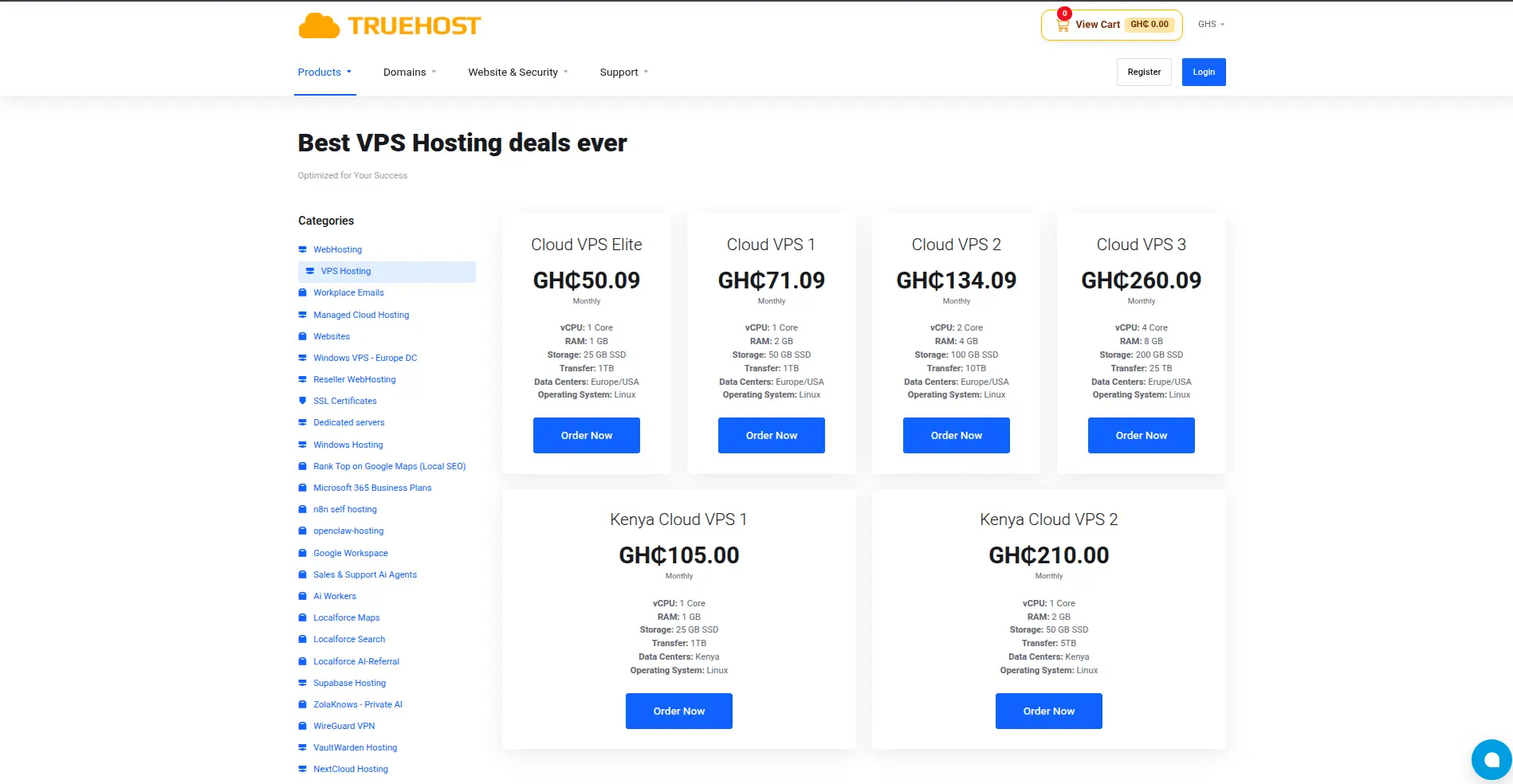
Shared hosting is generally the lower cost option, since you’re sharing server resources with other accounts.
VPS hosting costs more because it provides a more isolated environment along with greater resources and control.
It helps to compare what’s actually included rather than looking only at the advertised monthly price.
Check billing periods, renewal pricing, backups, control panels and any management fees.
The cheapest option isn’t necessarily the best value if your website quickly outgrows it, so for the Ghana audience specifically, it’s also worth checking the payment and billing options a provider actually supports.
2) Resource Allocation
Shared hosting resources are used across multiple hosting accounts sitting on the same server.
While VPS hosting gives you an allocated set of resources that stay yours regardless of what other accounts on the same physical machine are doing.
Comparing CPU, RAM, storage and other resource limits becomes increasingly important as a website grows.
Truehost’s own documentation illustrates this difference clearly through the specific resource limits set on its shared hosting accounts.
3) Performance
Shared hosting can be perfectly adequate for smaller websites that don’t see heavy traffic.
VPS hosting provides a more isolated environment and can offer more predictable performance, since your CPU, RAM and storage I/O aren’t being pulled in different directions by other accounts.
It’s worth avoiding the claim that every VPS automatically makes a website faster.
Performance still depends heavily on server configuration, the software running on it, and how well the website itself has been optimized.
4) Scalability
Shared hosting works well while your resource requirements stay within the plan’s limits.
VPS hosting makes it considerably easier to increase resources as your requirements grow beyond that point.
It’s worth considering future traffic, applications, databases and any additional websites you might add down the line.
Businesses expecting real growth should think about scalability before choosing a plan, rather than treating it as a problem for later.
5) Server Control
Shared hosting provides limited server level control, since you’re sharing the environment with other accounts.
VPS hosting gives you considerably more control over the server environment itself, including software installation, configuration and server settings.
Greater control does come with greater responsibility though, so it’s worth being honest about how comfortable you are managing that before choosing VPS purely for the extra freedom it offers.
6) Root Access
Shared hosting generally doesn’t provide root level server access, since that level of access would affect other accounts on the same server.
VPS hosting commonly provides root or administrative access instead.
This is useful for developers and users who need to install or configure their own software.
That said, beginners running a standard website often don’t actually need root access, and shared hosting covers their needs perfectly well without it.
7) Security and Isolation
Shared hosting places multiple customers within the same hosting environment, while VPS environments provide stronger isolation between individual virtual servers.
VPS isolation doesn’t mean you can ignore security altogether though.
Regular updates, strong authentication, firewalls and application level security remain just as important on a VPS as they are anywhere else, since isolation protects you from other accounts, not from your own configuration mistakes.
8) Server Customization
Shared hosting restricts how much of the server environment you’re able to modify.
VPS hosting provides much more freedom to configure things the way your application actually needs.
This includes installing supported software, configuring services, choosing specific software versions where the environment permits it, and adjusting server settings to suit whatever you’re running.
9) Operating System Choices
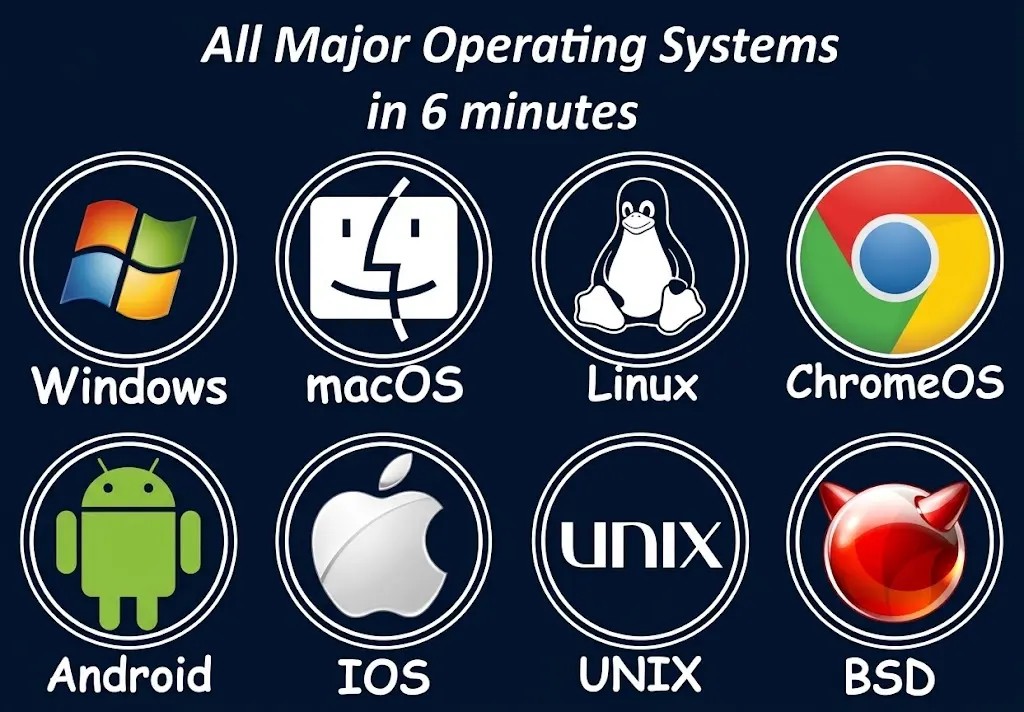
Shared hosting typically gives you a provider managed environment with limited say over the underlying operating system.
VPS hosting can offer a genuine choice of operating systems depending on the provider.
Linux distributions are common across VPS hosting generally.
Your operating system choice should ultimately depend on the software you’re actually planning to run, rather than picking whatever sounds the most familiar.
10) Control Panels
Shared hosting commonly includes a control panel for managing websites out of the box.
VPS hosting may include a control panel too, but this depends heavily on the specific plan and provider.
Tools like cPanel, CWP and other panels can genuinely simplify server management, especially for anyone without a strong command line background.
A VPS without a control panel tends to require more command line knowledge to operate day to day.
Truehost currently notes that cPanel, CyberPanel and CWP are among the panels supported for its VPS environments.
11) Ease of Use
Shared hosting is generally easier for beginners, since website, domain, email and database management can usually be handled through a single hosting control panel without much technical background required.
VPS hosting can require more technical knowledge, particularly when it’s unmanaged.
Managed VPS narrows that gap considerably, reducing much of the administrative burden that would otherwise fall on you.
12) Technical Expertise
Shared hosting requires far less server administration on your part.
VPS hosting, on the other hand, can require knowledge of Linux, networking, security and general server configuration, depending on how hands on you plan to be.
Managed VPS can act as a middle ground here, giving you the resources of a VPS without needing to handle everything yourself.
13) Website Traffic
Small and moderate websites can often operate comfortably on shared hosting without ever running into real limitations.
Growing websites may eventually need more predictable resources as traffic increases though.
Traffic isn’t the only factor worth weighing here either, since application complexity plays a real role too.
It’s worth avoiding an arbitrary traffic number as the sole deciding factor between the two.
14) Traffic Spikes
Sudden traffic increases can place real strain on hosting resources regardless of which type you’re using.
Shared hosting comes with account level resource limits that can get tested quickly during a spike, while VPS resources tend to provide more headroom depending on the specific plan.
A VPS isn’t automatically immune to traffic related slowdowns either, since it still has finite resources of its own, just usually more of them.
15) Number of Websites
Shared plans may allow multiple websites depending on the specific package purchased.
VPS hosting gives you greater flexibility for managing several projects side by side, since the resources are yours to divide as you see fit.
It’s worth comparing the number of websites you intend to host against the available CPU, RAM and storage, rather than assuming unlimited websites automatically means unlimited server resources to back them up.
16) Software and Application Support
Shared hosting works well for common CMS platforms and other widely supported applications.
VPS hosting provides considerably more flexibility for custom applications and unusual software stacks that shared environments simply don’t support.
This tends to be particularly useful for developers who need specific runtimes, packages or server configurations that fall outside what a typical shared plan offers.
17) Database Workloads
Shared hosting can comfortably handle databases for most common websites without issue.
Larger or database heavy applications may benefit from the additional resources a VPS provides though, particularly around RAM and storage performance.
It’s worth comparing RAM, CPU, storage performance and your actual database requirements together, since database size alone doesn’t fully determine what kind of hosting a project needs.
18) Email Hosting
Shared hosting commonly bundles website and email hosting together in one package.
VPS hosting can also support email, but the setup and ongoing management tend to be more involved.
It’s worth considering whether email should be included with your hosting, managed separately, or handled through a dedicated email service entirely, depending on how central email is to your business.
19) Backups
It’s worth comparing whether backups are included at all, how frequently they run, how long they’re retained, and how the actual restoration process works if something goes wrong.
VPS hosting doesn’t automatically come with better backups just because it’s a more capable environment.
Keeping recoverable copies stored separately from the main server, rather than relying entirely on local backups, remains a sensible habit regardless of which hosting type you choose.
20) Server Management
Shared hosting places most server maintenance responsibility with the provider.
VPS management depends entirely on whether the service is managed or unmanaged.
Managed VPS can handle a lot of the administrative work on your behalf, similar to shared hosting in that regard.
Unmanaged VPS gives you considerably more control, but that control comes paired with more responsibility for keeping things running smoothly.
21) Custom Server Configurations
Shared hosting limits access to server level configuration by design, since changes could affect other accounts sharing the same environment.
VPS hosting allows far more customization, since the environment is yours alone to configure.
This is particularly relevant for applications with specific server requirements, and especially useful for developers and businesses running more specialized software setups.
22) Resource Monitoring
Shared hosting typically provides account level resource monitoring through your hosting control panel.
VPS users can often monitor CPU, RAM, disk and network usage at a deeper server level instead.
Monitoring these numbers regularly helps identify bottlenecks before they turn into serious performance problems, giving you a chance to address issues before visitors ever notice them.
23) Website Migration
Moving a small website between shared hosting accounts can be relatively straightforward, usually involving little more than a file transfer and a database export.
VPS migrations tend to be more involved, since there are more server level configurations to account for.
If you’re migrating from shared hosting to VPS, it’s worth checking whether the provider offers migration assistance, and planning the DNS change carefully to minimize any disruption along the way.
24) Hosting Multiple Applications
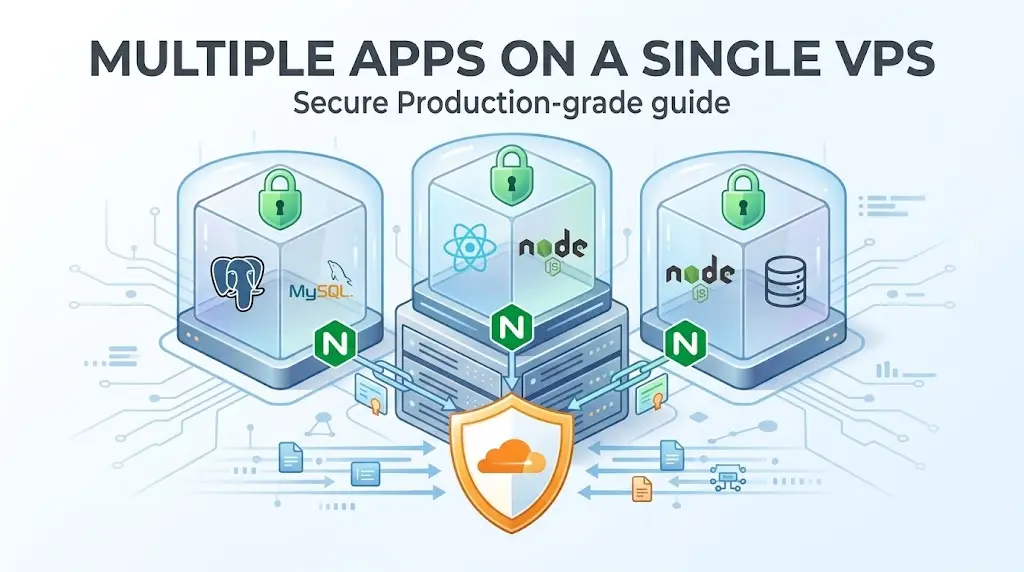
Shared hosting is generally designed around supported website and CMS workloads specifically.
VPS hosting can be used for multiple applications and services running side by side, within whatever resources your plan provides.
This makes VPS particularly useful for developers and businesses juggling several technical projects at once, rather than being limited to a single supported workload type.
25) Long-Term Growth
Shared hosting can be a genuinely good starting point rather than something a website is destined to outgrow eventually.
VPS becomes attractive once a website needs more control, more resources or more customization than shared hosting can reasonably offer.
It’s worth considering where the website is actually heading, not just what it needs right now, since planning a step ahead can save a stressful migration later.
Upgrade From Shared Hosting to VPS With Truehost
If shared hosting still meets your website’s requirements, there’s no real need to upgrade simply because VPS sounds more powerful on paper.
Plenty of well running websites stay on shared hosting for years without ever hitting a real limitation.
If your website needs more resources, control or flexibility though, VPS can be the logical next step in the VPS vs shared hosting decision.
Truehost Ghana’s VPS options are worth exploring here, with current plans varying by resources, and managed or unmanaged setups available depending on the specific offering.
Ready to see which option fits your website?
Explore Truehost Ghana’s current VPS and shared hosting plans and choose the one that matches where your website is today.