 Domains SearchSearch available domain names and claim yours in just a few clicks.
 .GH DomainsFind and register a trusted .gh domain for your business or idea.
 Web HostingAffordable web hosting solutions designed for performance, uptime, and scalability.
 cPanel HostingManage your website without the stress. cPanel hosting gives you everything in one place.
 Reseller HostingCreate, manage, and grow your hosting clients using reliable reseller hosting tools.
 Windows HostingWindows hosting that works smoothly with Microsoft frameworks and applications.
 Email HostingProfessional email hosting that keeps your business communication reliable and secure.
 WordPress HostingFast and secure WordPress hosting optimized for smooth performance and easy management.
 Affiliate ProgramEarn commissions by referring customers to our hosting and domain services.
 .COM Domains
 All DomainsFind the right Ghana domain for your brand and lock it in fast.
 Domain TransferMove your domain to us with a smooth, secure transfer process.
 Whois LookupCheck domain ownership and registration details instantly with our WHOIS lookup.
 SSL CertificatesSecure your website and protect your visitors with trusted SSL certificates.
 VPS HostingUpgrade to VPS hosting today and enjoy better speed, uptime, and flexibility.
 Managed VPSManaged VPS for businesses and developers who want full control without server management worries.
 Dedicated ServersGet maximum speed and reliability with dedicated servers built for serious websites and apps.
 AI Website BuilderStart your website today with our AI builder and go live in minutes.
 Online ShopStart selling online today with your own professional online shop.
 Web Design ServiceProfessional web design services that make your brand stand out online.
 Local SEO
 BlogHelpful articles, tutorials, and updates for building your online presence.
 Contact UsNeed help or more information? Connect with us anytime.
In 2025, something uncomfortable happened on the global internet stage.
The United States temporarily restricted TikTok access, triggering panic among creators, small businesses, and brands whose income lived entirely on that platform.
Some lost reach instantly. Others lost customers. A few lost their businesses altogether.
That moment wasn’t really about TikTok.
It was about dependence.
For Ghanaian businesses watching from the outside, the message was loud and clear: when your entire business lives on someone else’s platform, your future depends on decisions you don’t control.
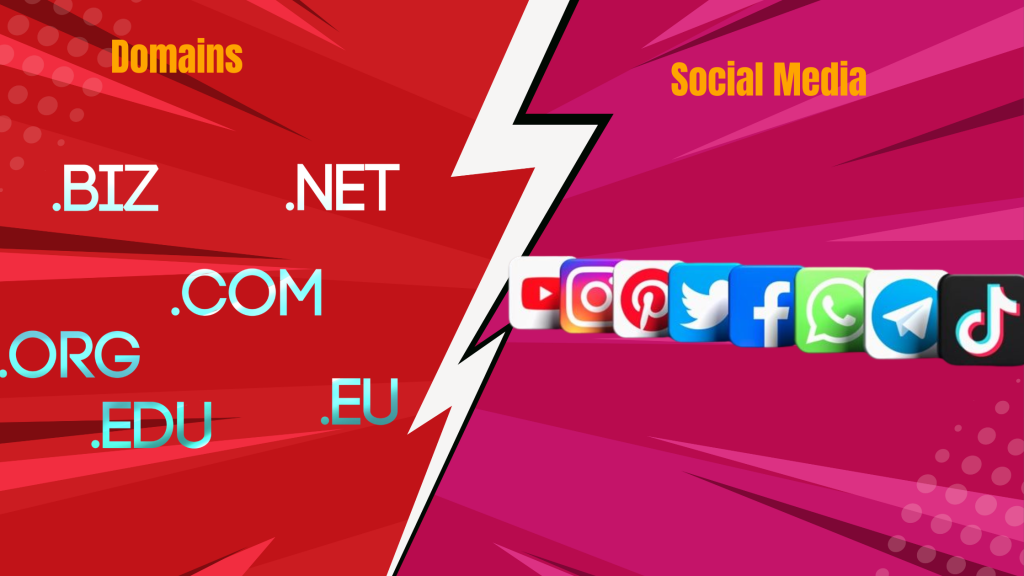
This is where the domain vs social media Ghana conversation becomes unavoidable. Not as a debate, but as a strategy discussion.
Because the smartest businesses are no longer choosing one.
They are intentionally using both.
Social Media Is a Powerful Starting Point for Businesses
It won’t be fair if we don’t acknowledge reality first.
Social media has transformed entrepreneurship in Ghana. Today:
- A business can launch with nothing more than a phone
- Sellers reach customers through Instagram, Facebook, TikTok, and WhatsApp
- Payments happen instantly via mobile money
- Word-of-mouth spreads faster than any billboard ever could
For many SMEs, creators, vendors, and service providers, social platforms are the first real business tool they ever use.
That accessibility has opened doors that never existed before.
So no, social media is not the enemy.
The issue begins when social media becomes the business itself.
The Ownership Gap Most Businesses Overlook
This is the part most business advice skips.
When you register a domain name, your business name becomes part of the global internet naming system coordinated by ICANN (the Internet Corporation for Assigned Names and Numbers).
That registration establishes verifiable ownership.
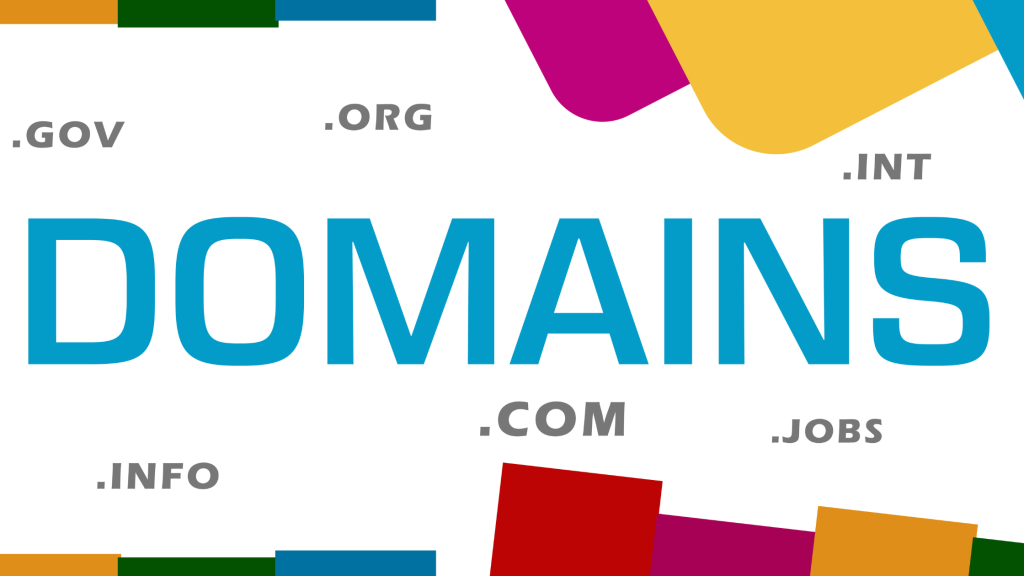
A domain:
- Belongs to you
- Can’t be deleted by an algorithm
- Exists independently of social platforms
- Remains yours as long as you renew it
A social media account:
- Exists under platform terms
- Can be limited, suspended, or removed
- Depends on policy changes and automation
- Is never truly owned by the business
This distinction is the backbone of the domain vs social media conversation.
One is property.
The other is permission.
Why Trust Makes This Especially Important in Ghana
Ghanaian consumers are cautious, and with good reason.
Years of fake shops, cloned pages, and disappearing sellers have trained people to verify before they pay.
When someone encounters a business on social media, the next instinct is often to search for it elsewhere. That search is normally risk management.
A business with its own website, professional email, and a .gh or .com.gh domain immediately feels more credible.
It signals permanence. It suggests accountability. It tells the customer that this brand is not just passing through.
This is why institutions that cannot afford trust failure. I mean, banks, NGOs, schools, telecoms, never rely on social media alone.
They use platforms for communication, but their authority lives on their domain.
Attention vs Confidence: Where Each Tool Wins
Social media excels at attention. It introduces brands to new audiences, creates conversation, and allows products to travel fast through networks.
Domains do something different. They convert attention into confidence.
When a potential customer clicks from Instagram to a website, something psychological happens.
The business moves from interesting to legitimate. Information feels structured. Contact details feel stable. The brand feels anchored.
This is why high-performing Ghanaian businesses don’t ask whether they should choose one or the other.
They design systems where social media feeds traffic into a space they control.
The Hidden Risk of Existing Only on Social Media
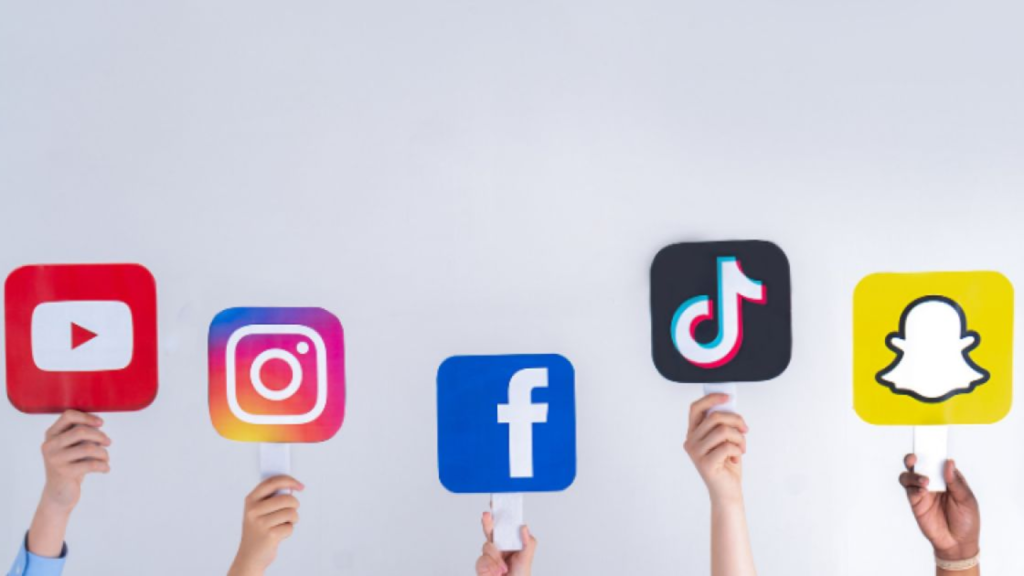
When a business lives entirely on a social platform, it inherits all that platform’s volatility.
Accounts get hacked. Content is mistakenly flagged. Reach fluctuates after algorithm changes.
WhatsApp Business numbers are blocked with little explanation. And when that account is the only point of contact, the business effectively goes offline.
A domain removes that single point of failure.
Even when social platforms go quiet, customers can still find you, verify you, and contact you.
Why a Simple Domain Setup Is Enough to Change Perception
There is a common misconception that owning a domain means building something complex.
In reality, a basic setup already does most of the work.
A simple website that clearly explains who you are, what you offer, where you operate, and how to reach you fundamentally changes how customers perceive the brand.
Add a professional email address tied to that domain, and the business immediately looks organised and intentional.
The message it sends is subtle but strong: this business is here to stay.
Search Visibility Is Where Domains Quietly Win
Search behaviour in Ghana continues to rise as consumers look for confirmation before purchasing.
People Google businesses they discover on social media. They search for services near them. They look for reviews and additional context before sending money.
Search engines prioritise websites, not social profiles.
A website on a properly registered domain, especially a local one, gives businesses a better chance of appearing credible in search results.
A .gh domain reinforces geographic relevance and helps Ghana-based users trust what they see.
This is an advantage social media alone cannot replicate.
Platforms Will Always Change, Domains Rarely Do
History makes this pattern clear.
Social platforms regularly adjust algorithms, reduce organic reach, and introduce monetisation rules that favour paid visibility.
These changes are made in the platform’s interest, not the business’s.
Domains do not operate on trends.
They don’t suppress visibility.
They don’t throttle reach.
They don’t disappear because of policy shifts.
This stability is why businesses that plan long-term anchor themselves with a domain.
The Real Answer to the Domain vs Social Media Debate
The question is not which one is better.
The real answer is structure.
Successful Ghanaian businesses use social media to attract attention and domains to secure trust.
They link bios to websites. They run ads to landing pages. They centralise information in one permanent place.
Customers discover the brand socially, then confirm it independently.
That confirmation is what converts.
Final Word
Social media has given Ghanaian businesses speed, visibility, and opportunity. That is very important, and it is not going away. But growth eventually asks a harder question: what do you actually own?
That is where a domain changes everything. It gives your business a stable home, a name that can’t be taken away by platform decisions, and a place customers can always find and verify you.
It also gives you room to grow at your own pace, even if you start small and build later.
The strongest businesses don’t wait until something breaks to secure their foundation.
They protect their name early, anchor their presence, and use social media to support that structure, not replace it.
If you are ready to take that step, Truehost Ghana makes it simple to secure your .gh or .com.gh domain and start building on something you truly own.